


Cookies help us deliver our services. By using our services, you agree to our use of cookies.

- +233 055 698 1772
- Wishlist (0)
-
Account
-
Don't have an account?
-
- THANK YOU (0)
Accra Floods Again
Thursday, July 2, 2026
WAMI Express — Ghana Desk
June 30, 2026
Accra Floods 2026
Accra Is Under Water Again. This Time, the Damage Is a Warning Every Builder Must Hear.
The June 29 floods killed at least 12 people, submerged homes and businesses across the capital, and cut power to thousands. Behind the tragedy is a construction and infrastructure crisis that has been building for decades — and a set of hard lessons for every builder in Ghana.
By WAMI Express Editorial
|
June 30, 2026
|
6 min read
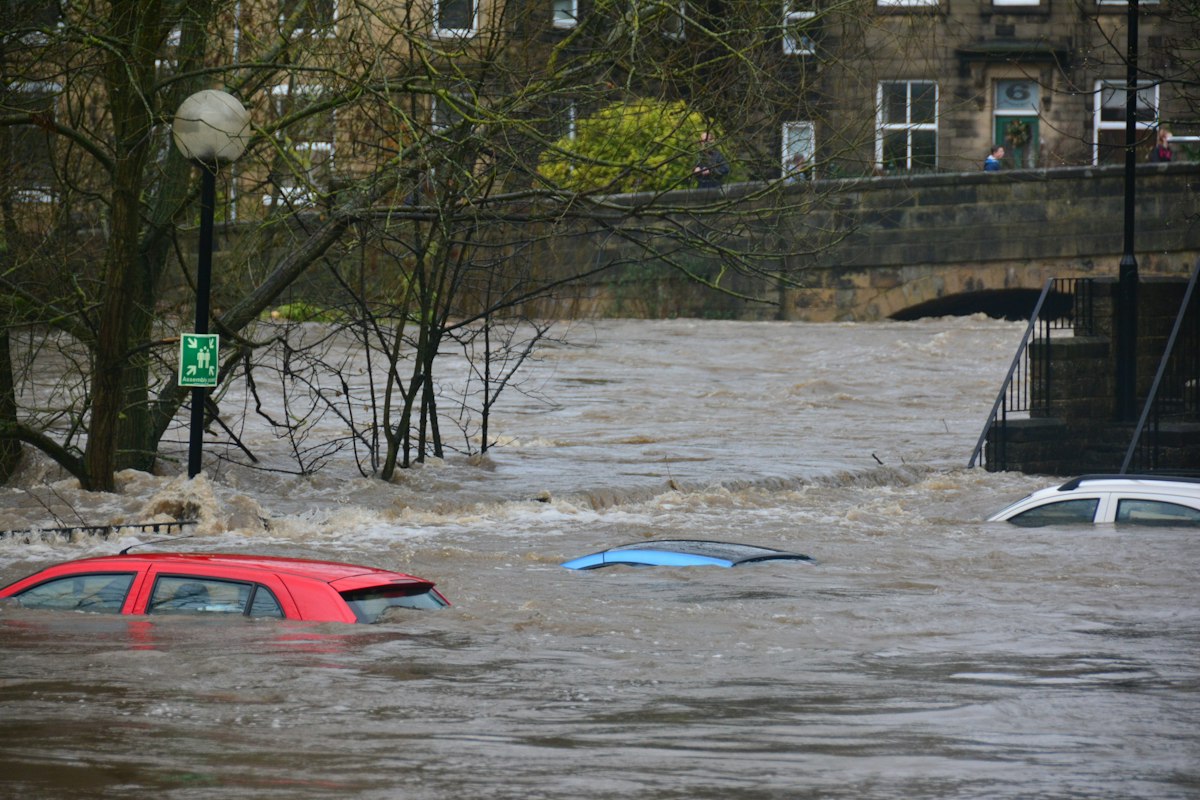
Floodwaters submerged major roads and communities across Accra on June 29, 2026, in some of the most severe flooding the capital has seen in years. Photo: WAMI Express
ACCRA, June 30, 2026 — Our thoughts are with every family in Accra affected by the flooding that struck the city on June 29. At least twelve lives have been confirmed lost. Homes have been destroyed, businesses wiped out, and thousands of residents are still counting the cost of what many are calling one of the most devastating floods in the capital's recent memory. To the families in grief — we stand with you.
What happened on June 29 was not simply a storm. It was the collision of record rainfall — approximately 333 millimetres in June 2026 alone, nearly double last year's 172 millimetres — with decades of decisions that left Accra structurally unable to cope. Understanding that collision matters, because it shapes what happens next for every builder, developer, and homeowner in this city.
12+
Lives confirmed lost, June 29
333mm
Rainfall in Accra, June 2026
22
Rain days in June — leaving drainage no recovery time
What Happened — and Why It Keeps Happening
Heavy rains beginning late on Sunday night continued into the early hours of Monday June 29, triggering widespread flooding across Accra and the Greater Accra Region. The Kasoa–SCC–Mallam highway was submerged, forcing motorists to abandon their vehicles. Communities from Kaneshie and Odawna to Adabraka and the Kwame Nkrumah Circle enclave were inundated. GRIDCo and the Electricity Company of Ghana shut down the Mallam and Achimota primary substations as a precaution — cutting power to thousands of homes and businesses. The Ghana Armed Forces were deployed. NADMO rescue teams used boats to evacuate residents trapped in their homes.
President Mahama conducted an aerial inspection and was direct about what he saw: this is not purely a natural disaster. Accra sits between the Akwapim Ridge and the Atlantic Ocean — a geography that naturally channels water toward the sea. For generations, streams and wetlands managed that flow. As the city expanded, those natural channels were built over. Roads, housing estates, and commercial buildings now occupy the spaces that once carried floodwater safely to the ocean. When 333 millimetres of rain falls across 22 days with no recovery time between events, those inadequate drainage channels simply cannot cope.
“We have done things the wrong way for over 30 to 40 years. Natural water retention areas that once absorbed rainfall have been built over. Drainage systems are often blocked or inadequate.”
— President of the Ghana Institution of Engineers, June 2026
Buildings constructed on or near waterways are most vulnerable when Accra's drainage systems are overwhelmed.
The Government’s Response — and What Comes Next
President Mahama has pledged decisive action following his aerial inspection — including the demolition of buildings obstructing waterways, the removal of debris blocking drainage channels, and improved stormwater engineering. He also announced plans to develop a new growth centre outside Accra over the next two decades, to reduce the population pressure that has driven unchecked urban expansion into flood-prone land.
These are the right commitments. But as the President himself acknowledged, infrastructure projects take years. Floods happen in hours. For the builders, homeowners, and developers of Accra, the more immediate question is not what the government will do — it is what individuals and businesses can do now to protect what they have built and build more resilient structures going forward.
What Every Builder in Accra Must Now Reckon With
The June 29 floods exposed four structural realities that anyone building or maintaining property in Accra can no longer afford to ignore.
“This time, we must act differently. Together, we must ensure that lasting solutions are implemented so that this cycle of devastating floods does not continue year after year.”
— President John Dramani Mahama, following aerial inspection, June 30, 2026
For Those Rebuilding: A Note on Getting It Right This Time
If your property was damaged by the June 29 floods — or if you are planning to build or renovate in the Greater Accra Region — the events of this week make the case for building with verified, correctly specified materials more clearly than any advice column could.
Flood-damaged structures that were built with the correct cement grade, adequate reinforcement, and properly installed drainage systems have a materially better chance of being repaired rather than demolished. Structures that were not are often total losses. The difference in cost between building correctly the first time and rebuilding after a flood is not a small one.
In the weeks ahead, Accra's building materials markets will be under significant demand pressure as repairs and rebuilding begin across the affected communities. Prices will rise. Supply will tighten. The builders who have access to verified suppliers with transparent pricing will be better placed than those relying on market sourcing.
If You Are Rebuilding
Order verified building materials before Accra’s markets tighten
WAMI Express stocks cement, blocks, steel reinforcement, drainage materials, and plumbing supplies — all with full product specifications, transparent pricing, and delivery across Greater Accra.
Build it right this time.
Shop on WAMI Express →
Accra Floods 2026
Ghana News
Building Materials
Flood Resilience
Construction Ghana
WAMI Express
Leave your comment